The 2026 Hiring Market in Print & Packaging: What Employers and Candidates Need to Know
The 2026 print and packaging hiring market is not simply growing or shrinking—it is becoming more specialized.
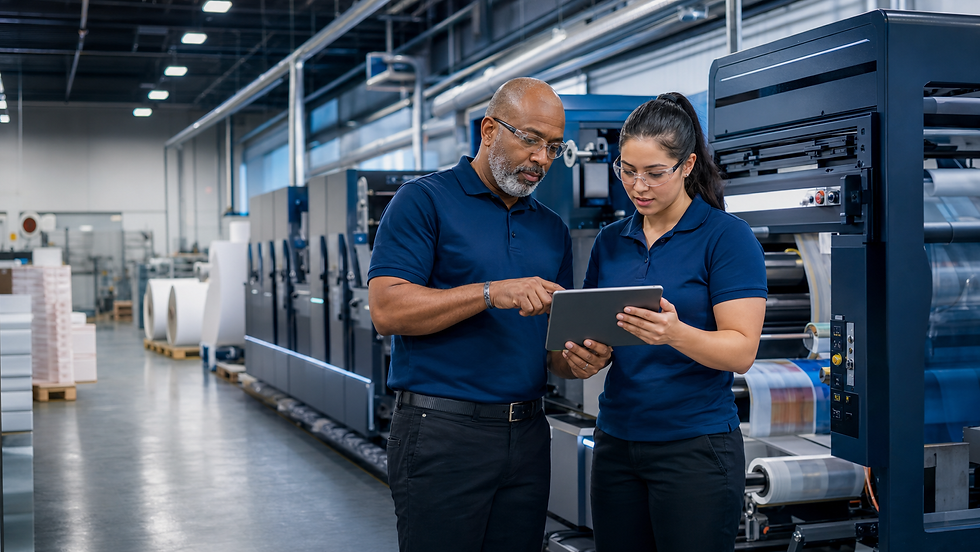
Automation is changing how plants operate, experienced workers continue to retire, and employers increasingly need professionals who can combine traditional production knowledge with modern technology, data, and leadership skills.
For both employers and candidates, adaptability has become one of the most valuable qualities in the market.
A Stable Industry Still Creates Significant Hiring Demand
Manufacturing employment is projected to remain relatively stable over the coming decade, but that does not mean companies can stop recruiting.
The U.S. Bureau of Labor Statistics projects nearly one million production-job openings annually between 2024 and 2034. Most will result from employees retiring, changing careers, or otherwise leaving their occupations—not solely from business expansion.
For print and packaging companies, this creates an important distinction: overall employment may appear steady while individual plants still struggle to replace experienced operators, technicians, supervisors, and managers.
Automation Is Changing Roles—not Eliminating the Need for Talent
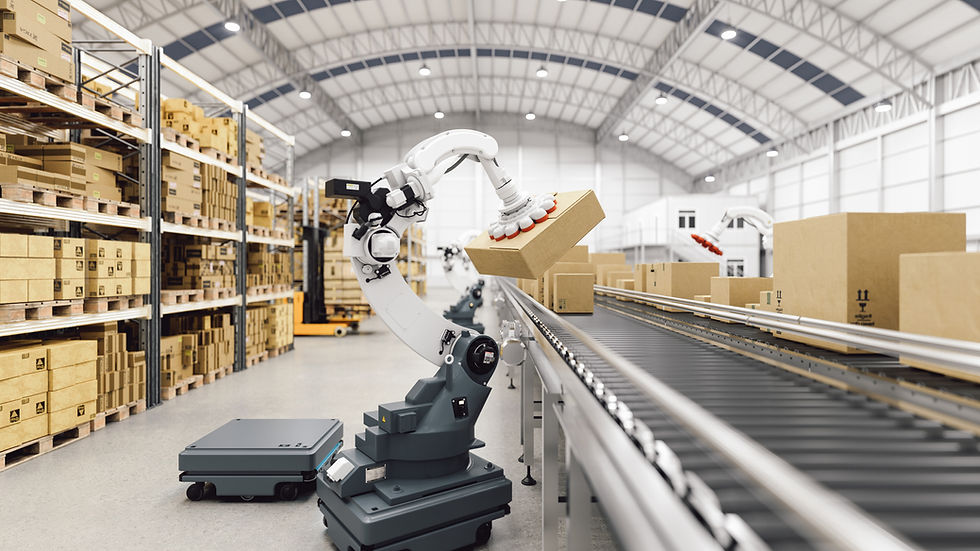
Print businesses continue to invest in workflow efficiency, automation, digital production, and technology-enabled operations. Industry research from PRINTING United Alliance identifies automation and measurable workflow performance as important priorities in 2026.
However, advanced equipment still requires capable people to:
• Diagnose production and quality problems
• Manage complex changeovers
• Interpret operating data
• Train developing employees
• Coordinate production, maintenance, and scheduling
• Turn new technology into reliable output and profitability
The most valuable candidates are increasingly those who understand both the process and the technology supporting it.
The Most Competitive Candidates Have Hybrid Skills
Employers are looking beyond narrow job descriptions. A press operator who understands colour management, workflow software, preventative maintenance, and Lean principles offers greater value than someone who can only operate one machine.
The same shift is happening in leadership and sales roles.
Operations leaders are expected to understand automation, workforce development, quality, and financial performance. Sales professionals must be able to discuss sustainability, substrates, fulfilment, data, and broader packaging solutions—not simply quote print volume.
In 2026, technical depth remains important, but versatility is becoming the differentiator.
Knowledge Transfer Is Becoming Business-Critical
Many print and packaging companies depend heavily on veteran employees whose knowledge was developed over decades.
When that expertise leaves without a succession plan, companies risk:
• Longer equipment downtime
• Greater material waste
• Inconsistent quality
• Slower employee development
• Dependence on a small number of key individuals
Employers should identify critical knowledge before a vacancy occurs. Pairing experienced professionals with developing employees, documenting essential processes, and creating structured training plans can protect the business while strengthening retention.
Candidates Are Evaluating the Employer Too
Qualified professionals are becoming more selective about where they work. Compensation matters, but candidates are also evaluating:
• Equipment condition and planned investment
• Leadership quality and workplace culture
• Training and advancement opportunities
• Shift expectations and schedule predictability
• Safety and employee turnover
• The organization’s long-term direction
Employers that clearly communicate these advantages will be better positioned to attract candidates who may not be actively searching.
What Employers Should Do in 2026
Hire for Adaptability
Technical experience matters, but employers should also assess how candidates learn, solve unfamiliar problems, and respond to changing technology.
Shorten the Decision Process
Strong candidates can disappear quickly. Define the interview process, compensation range, and decision-makers before beginning the search.
Build Before the Vacancy
Companies should develop relationships with potential candidates before an urgent opening occurs. Proactive recruiting creates a stronger pipeline and reduces reactive hiring.
Strengthen Retention
Recruiting cannot solve a workplace that continually loses good people. Competitive compensation, capable leadership, development opportunities, and clear communication must work together.
What Candidates Should Do in 2026
Candidates can strengthen their market position by demonstrating measurable results, including:
• Waste or downtime reductions
• Productivity and throughput improvements
• Successful equipment installations
• Safety or quality achievements
• Employee training and development
• New accounts, margins, or revenue growth
Resumes should show business impact—not only responsibilities.
Final Thoughts
The 2026 hiring market rewards employers that act decisively and candidates who continue developing their skills.
Technology will keep reshaping print and packaging, but companies still need experienced people who can manage complexity, lead teams, protect quality, and convert equipment investments into results.
Bridge Atlas Solutions specializes in connecting print and packaging companies with high-impact professionals across production, operations, sales, marketing, and leadership.
Whether you are building your workforce or planning your next career move, we are ready to help you navigate the 2026 market.

Comments